Paint protection film and vinyl wraps are often grouped together because both are applied over a vehicle’s exterior surfaces, but they are built for different purposes. PPF is primarily designed to protect factory paint from physical damage, while vinyl wraps are intended to change appearance, colour, or branding. The right choice depends on whether the priority is preserving paint condition, transforming vehicle aesthetics, or balancing both objectives together. Ingraph helps Calgary vehicle owners evaluate which solution aligns with long-term vehicle use, environmental exposure, and appearance goals.
Core Difference: Protection Film vs Visual Wrap
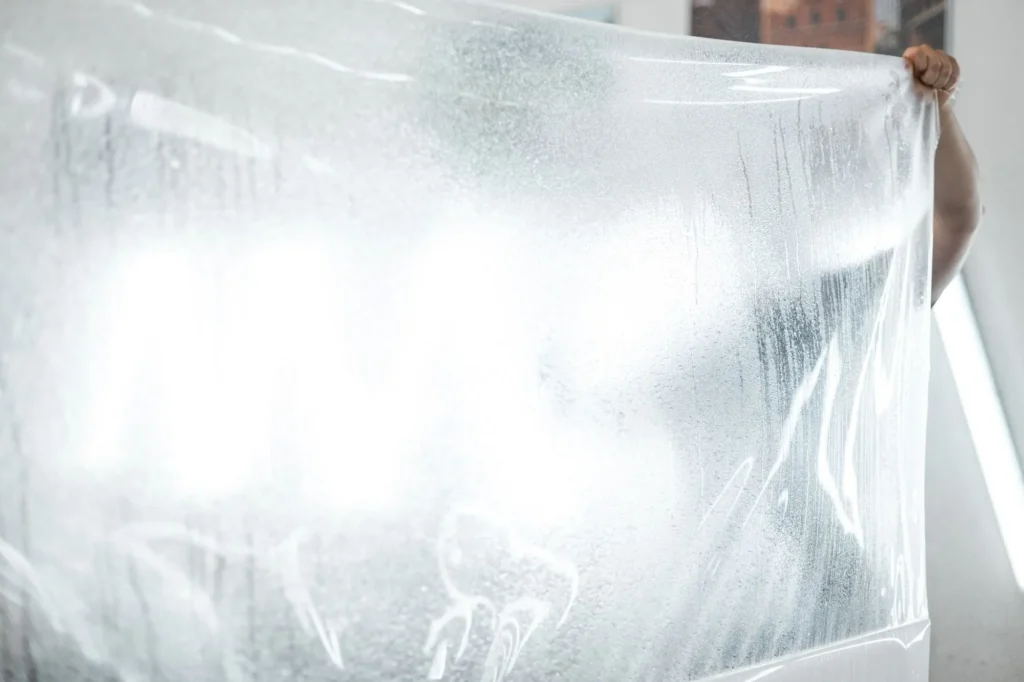
PPF and vinyl wrap use different materials, thicknesses, and installation priorities because they solve different problems. Paint protection film is engineered to absorb physical impact and reduce damage from road debris, while vinyl wrap is designed for visual customization and surface coverage.
PPF is typically thicker, optically clearer, and focused on preserving the original paint underneath. Vinyl wrap is thinner and manufactured in a wide range of colours, finishes, textures, and printed designs intended to alter the vehicle’s appearance.
The difference becomes more important in Calgary conditions where gravel, road debris, winter sanding, UV exposure, and temperature swings affect vehicle surfaces differently throughout the year.
What PPF Is Designed to Do (and Not Do)
PPF is designed around surface protection rather than appearance transformation. Its primary role is to reduce direct damage to factory paint in high-impact or high-exposure areas.
Paint Protection Capabilities
PPF helps protect against rock chips, minor abrasions, bug acids, road salt exposure, staining, and some surface scratching. Many modern films also contain self-healing top layers that reduce the visibility of fine swirl marks or light surface scratches when exposed to heat.
Protection benefits are often most noticeable on front bumpers, hoods, fenders, rocker panels, mirrors, and other impact-prone surfaces exposed to highway driving or gravel roads around Calgary.
PPF also helps preserve long-term paint condition by acting as a sacrificial barrier between the environment and the original finish underneath.
Limitations in Customization
PPF is not primarily intended for major visual transformation. Most installations are either clear or lightly satin-finished to maintain the original paint appearance rather than dramatically change it.
Although some coloured or fashion-film PPF products exist, the range of finishes, textures, and design flexibility remains far more limited compared to vinyl wrap systems.
PPF also does not eliminate all damage risk. Heavy impacts, deep scratches, improper maintenance, or severe debris strikes can still penetrate the film depending on impact severity.
What Vinyl Wraps Are Designed to Do (and Not Do)
Vinyl wraps are primarily visual products intended to alter appearance rather than maximize impact protection.
Colour Change and Branding
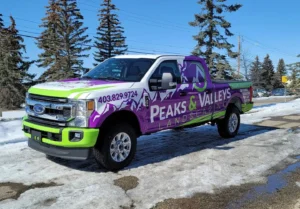
Vinyl wraps allow full colour changes, matte finishes, satin textures, gloss transformations, chrome effects, printed graphics, and commercial branding applications without permanently repainting the vehicle.
This flexibility makes wraps popular for personal customization, temporary styling changes, motorsport aesthetics, branded commercial vehicles, and businesses requiring removable graphics.
Wrap systems also allow easier future redesigns because the film can typically be removed or replaced without permanently altering the factory paint underneath when properly maintained.
Limited Protective Qualities
Vinyl wraps provide some surface shielding against light exposure, minor scuffs, and small abrasions, but they are not engineered for the same impact resistance as PPF.
Thin vinyl materials are more vulnerable to punctures, rock chips, tearing, and edge damage under harsh driving conditions. In Calgary environments with winter debris and gravel exposure, wraps can show wear more quickly on high-impact surfaces.
Assuming vinyl wrap provides equivalent protection to PPF can lead to premature paint damage if the vehicle regularly encounters highway debris or demanding road conditions.
Side-by-Side Comparison of PPF and Vinyl Wrap
| Feature | PPF | Vinyl Wrap |
|---|---|---|
| Primary Purpose | Paint protection | Appearance transformation |
| Protection Level | High impact and abrasion resistance | Limited surface protection |
| Appearance Options | Mostly clear or satin finishes | Wide colour, texture, and graphic variety |
| Lifespan | Typically longer under harsh conditions | Varies based on exposure and material type |
| Cost | Higher material and installation cost | Often lower depending on design complexity |
| Maintenance | Designed for durability and easier contaminant resistance | Requires more caution around edges and surface wear |
The better option depends on whether preserving paint condition or changing appearance is the primary objective.
When Protection Matters More Than Appearance
PPF is often the better fit for newer vehicles, high-value vehicles, performance cars, highway-driven vehicles, and owners planning to preserve resale condition over longer ownership periods.
Protection priorities usually outweigh appearance modification when the vehicle regularly encounters gravel roads, winter sanding debris, frequent highway mileage, or high-exposure commercial travel around Calgary and Alberta highways.
In these situations, the long-term cost of paint correction, repainting, or chip repair may outweigh the higher initial investment associated with PPF installation.
When Appearance or Branding Matters More Than Protection
Vinyl wraps are usually more practical when the goal is colour transformation, temporary styling, commercial branding, or visual customization flexibility rather than maximum surface protection.
Businesses often prioritize wraps for brand visibility, while personal vehicle owners may prefer wraps for aesthetic changes that would be more expensive or permanent through repainting.
Wrap systems are also commonly chosen when future redesign flexibility matters more than maintaining factory paint in near-original condition.
Can You Combine PPF and Vinyl Wrap on the Same Vehicle?
PPF and vinyl wrap can sometimes be combined on the same vehicle, but installation order and material compatibility matter. In some applications, PPF may be installed over high-impact sections of a vinyl-wrapped vehicle to add localized protection. In other situations, partial PPF coverage may be applied separately to vulnerable painted areas while wraps are used elsewhere for visual transformation.
Not all films are designed to layer together interchangeably, and improper combinations can affect adhesion, removal performance, or long-term durability. Vehicles combining both systems usually require planning around exposure zones, maintenance expectations, and future removal considerations.
Choosing the Right Option Based on Your Goal in Calgary Conditions
The right solution depends on whether the vehicle’s priority is protection, visual customization, branding flexibility, or a balance between appearance and durability. Calgary driving conditions place more stress on vehicle surfaces than milder climates because of winter sanding, gravel impact, temperature swings, and UV exposure throughout the year.
Choosing the wrong system often creates frustration when the material does not match the actual use case. Vehicle owners expecting strong chip resistance from thin vinyl wraps may see premature wear, while drivers seeking dramatic appearance transformation may find traditional clear PPF visually limiting.
Ingraph helps Calgary vehicle owners evaluate PPF, vinyl wraps, or combined protection strategies based on driving exposure, long-term ownership plans, maintenance expectations, and appearance goals.