Paint protection film can provide many years of protection, but its lifespan depends heavily on how the vehicle is driven and maintained. Calgary presents several challenges that accelerate normal wear, including winter road salt, loose gravel, frequent freeze thaw cycles, strong ultraviolet exposure, and significant seasonal temperature changes. Understanding how these conditions affect paint protection film helps vehicle owners decide whether installation is worthwhile, when replacement becomes necessary, and how to maximize the life of the film. Ingraph installs paint protection film designed to withstand the conditions Calgary vehicles experience throughout the year.
What Actually Determines PPF Lifespan in Calgary
Paint protection film does not fail because of age alone. Environmental exposure, driving habits, installation quality, maintenance practices, and the quality of the film itself all contribute to how long it continues protecting the paint.
Winter Salt, Gravel, and Road Debris Impact
Calgary winters expose vehicles to some of the harshest conditions paint protection film will encounter. Sand, gravel, and road debris continually strike high impact areas such as the front bumper, hood, mirrors, rocker panels, and lower doors. While quality PPF is designed to absorb these impacts, repeated abrasion gradually wears the outer surface over time.
Road salt presents a different challenge. Salt itself does not normally damage modern paint protection film, but allowing salt deposits to remain on the vehicle for extended periods can accelerate surface contamination and make routine maintenance more difficult. Frequent washing throughout winter helps preserve both the appearance and condition of the film.
Vehicles that regularly travel gravel roads or highways typically accumulate more impact damage than vehicles driven primarily on paved urban streets.
UV Exposure and Temperature Swings
Calgary experiences high ultraviolet exposure throughout the year, particularly because of its elevation and frequent sunny days. Modern paint protection films include UV resistant layers that reduce yellowing and maintain clarity, but continuous exposure eventually contributes to gradual aging.
Large temperature swings also place stress on exterior materials. It is common for Calgary vehicles to experience freezing temperatures overnight followed by significantly warmer daytime conditions. Quality films are engineered to expand and contract with painted panels, but repeated seasonal cycling over many years naturally contributes to wear.
Premium films generally maintain their appearance longer because their protective top layers better resist ultraviolet exposure, staining, and environmental contamination.
Daily Driving vs Occasional Use
Driving frequency often has a greater influence on film lifespan than vehicle age. A vehicle driven every day accumulates significantly more exposure to debris, weather, contaminants, and repeated washing than a vehicle used occasionally.
Highway driving further increases impact exposure because stones and road debris strike the vehicle at higher speeds. This does not necessarily mean highway driving causes premature failure, but heavily exposed front surfaces often show wear sooner than areas receiving less direct impact.
Vehicles stored indoors, driven seasonally, or used primarily for city commuting commonly experience slower cosmetic wear than vehicles used year round for long distance travel.
Typical Lifespan Ranges by Usage Type
Paint protection film lifespan varies according to operating conditions rather than following a single fixed timeline.
| Vehicle Usage | Typical Lifespan |
|---|---|
| Occasionally driven, garage stored | 10 to 12 years or longer |
| Daily city driving | 8 to 10 years |
| Mixed city and highway driving | 7 to 10 years |
| Heavy highway commuting | 6 to 8 years |
| Frequent gravel road use | 5 to 7 years |
| Commercial fleet vehicles | 5 to 8 years |
These ranges assume professional installation, quality film, and routine maintenance. Lower quality materials, improper installation, or limited maintenance may shorten service life. Conversely, vehicles that receive regular cleaning and spend less time exposed to harsh conditions may exceed these averages.
Signs Your Paint Protection Film Is Failing
Paint protection film usually deteriorates gradually rather than failing suddenly. Recognizing early warning signs allows replacement before appearance or long term durability become concerns.
Yellowing, Peeling, and Edge Lift
Older generations of paint protection film were more prone to yellowing over time. Modern premium films resist discoloration much more effectively, but prolonged ultraviolet exposure and contamination can eventually affect appearance.
Edge lifting is another common indicator that replacement may be approaching. As adhesive ages, corners or exposed edges may begin separating from the paint. Once dirt and moisture repeatedly enter these areas, the lifted section generally continues to expand rather than resealing itself.
Peeling, cracking, adhesive failure, or widespread discoloration usually indicate the film has reached the end of its practical service life.
Surface Damage vs Film Breakdown
Not all visible damage means the film has failed. Surface scratches, stone marks, or minor cosmetic imperfections often indicate the film has successfully absorbed impacts that would otherwise have damaged the paint beneath it.
Film breakdown occurs when the protective material itself begins losing structural integrity. Persistent cloudiness, extensive cracking, deep staining that cannot be cleaned, widespread edge failure, or adhesive deterioration suggest the film is no longer providing its intended level of protection. A professional inspection can determine whether localized cosmetic damage is acceptable or whether replacement is becoming advisable.
When It Makes Sense to Replace vs Keep Existing PPF
Replacement is not always necessary simply because the film shows signs of use. Minor impact marks, isolated scratches, or slight cosmetic wear often indicate the film is continuing to perform its protective function.
Replacement becomes more appropriate when adhesive failure spreads across multiple edges, significant yellowing affects appearance, cracking develops throughout the film, or contamination beneath lifted sections can no longer be removed. At that stage, deteriorated film may become increasingly difficult to remove and may negatively affect the vehicle’s appearance.
Localized replacement is often possible when only a single panel or high impact section has reached the end of its service life. Replacing individual panels is generally more practical than removing an entire installation when the remaining film continues performing well. Matching the appearance of older film with newly installed material depends on the age and condition of the existing film.
How PPF Lifespan Compares to Other Protection Options
Paint protection film is designed primarily to absorb physical damage rather than simply improve appearance. Because of this purpose, it generally provides longer protection against stone chips and road debris than coatings or paint sealants.
Ceramic coatings help resist contamination, improve cleaning, and enhance gloss, but they do not provide the same level of impact protection against gravel or highway debris. Vehicle wraps serve an entirely different purpose by changing appearance while offering only limited protection from minor surface abrasion. Window tint protects occupants and interior materials from solar heat and ultraviolet exposure but does not contribute to exterior paint protection. Each product addresses a different objective, making them complementary rather than direct replacements for one another.
Getting the Most Lifespan Out of PPF in Calgary
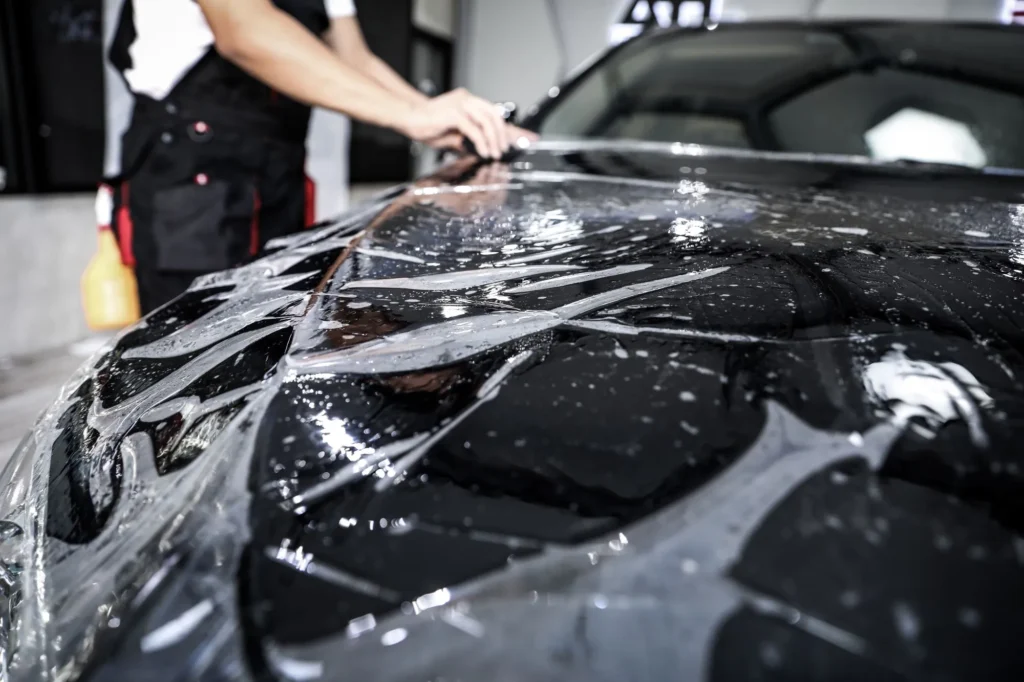
The longest lasting paint protection film installations combine quality materials with consistent maintenance. Washing road salt promptly during winter, removing contaminants before they become embedded, using cleaning products approved for paint protection film, and avoiding unnecessary abrasion all help preserve the protective surface.
Vehicles driven extensively on highways or gravel roads should receive periodic inspections so high impact areas can be evaluated before minor damage develops into larger issues. Addressing isolated lifting or damaged sections early may prevent contamination from spreading beneath surrounding film.
Although Calgary’s climate is demanding, properly installed and maintained paint protection film commonly provides many years of reliable protection. Ingraph installs premium paint protection film for Calgary vehicles and can evaluate existing film to determine whether maintenance, partial replacement, or complete replacement is the most appropriate solution.