Full body PPF vs partial coverage is one of the most common decisions vehicle owners face when protecting their paint. Both options use paint protection film to reduce damage from road debris, stone chips, and surface abrasion, but they protect different areas of the vehicle. The right choice depends on where the vehicle is driven, which panels face the highest risk, how long the owner plans to keep the vehicle, and how much exposure they are willing to accept on unprotected surfaces. Ingraph helps Calgary drivers evaluate coverage options based on real-world vehicle use rather than simply choosing the largest package available.
What Full Body vs Partial Coverage Actually Includes
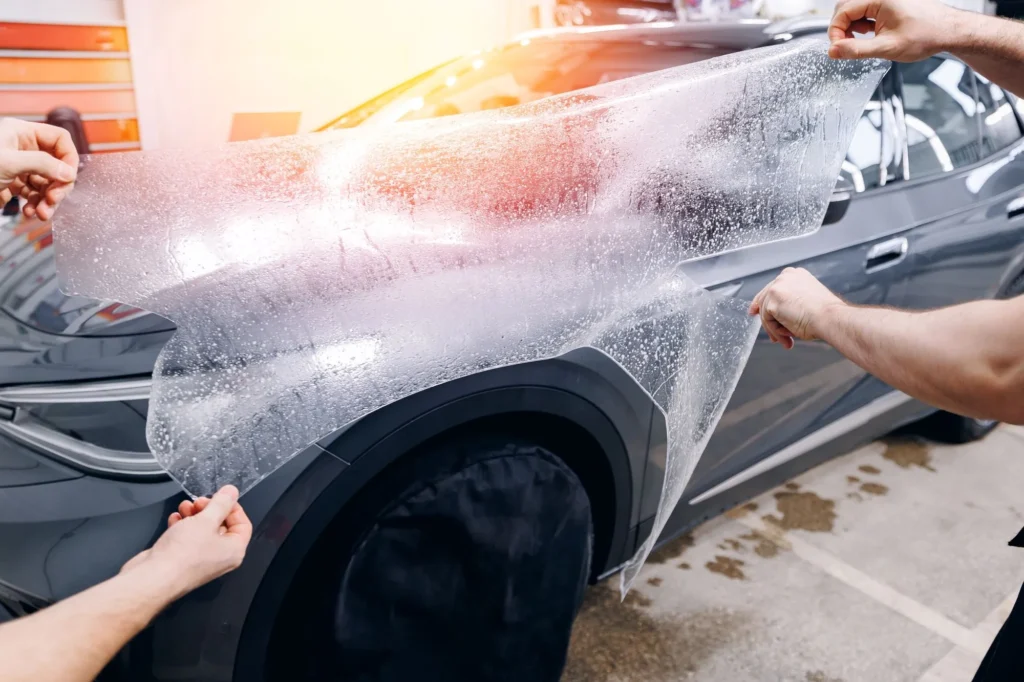
The primary difference between full body and partial PPF is the amount of painted surface covered by film. Partial coverage focuses on areas that receive the highest concentration of road impact. Full body coverage extends protection across nearly all painted exterior panels, reducing the number of exposed surfaces vulnerable to chips, scratches, and road debris.
The decision is not simply about protection quantity. It is about determining which vehicle surfaces face meaningful damage risk based on driving conditions and ownership goals.
High-Impact Zones (Hood, Bumper, Mirrors)
Most partial PPF packages focus on the front bumper, leading edge of the hood, front fenders, side mirrors, and sometimes rocker panels. These areas experience the highest frequency of direct impacts because they face forward into road debris. Gravel, sand, road salt, and loose pavement materials commonly strike these surfaces first during highway and city driving. For many vehicles, these panels account for a large percentage of paint damage claims and cosmetic repairs caused by stone chips.
Full Surface Protection Scope
Full body PPF extends protection beyond the primary impact zones to include doors, quarter panels, pillars, roof sections, trunk surfaces, and other painted exterior areas.
This broader coverage protects against damage that occurs outside the front of the vehicle. Door scratches, parking lot contact, shopping cart impacts, brush contact, and debris thrown from adjacent traffic can affect panels that partial packages leave exposed. Full body coverage also creates a more uniform level of protection because all painted panels receive the same protective layer.
Where Partial Coverage Falls Short
Partial coverage protects the areas most likely to receive direct impacts, but it intentionally leaves portions of the vehicle exposed. For some owners, this tradeoff is acceptable. For others, damage eventually appears in areas that initially seemed low risk.
Gaps in Protection and Edge Exposure
Partial coverage creates transition points where protected and unprotected surfaces meet. These boundaries often occur across the hood, fenders, or other visible panels.
Although installers position film edges carefully, the vehicle still contains areas where paint remains exposed to road debris and surface damage.
As the vehicle accumulates mileage, chips and scratches may appear immediately outside protected sections while the covered areas remain intact.
Real-World Damage Patterns
Road damage does not always occur where owners expect it. Vehicles driven on Calgary highways frequently receive impacts along doors, rear quarter panels, rocker panels, and lower body sections due to debris thrown by surrounding traffic. Gravel roads, construction zones, winter sanding operations, and high-speed travel can increase exposure beyond the front end of the vehicle. This is one reason some owners initially choose partial coverage and later wish they had protected additional panels.
Cost vs Risk Tradeoff Explained
| Coverage Type | Typical Cost Range | Coverage Level | Risk Exposure |
|---|---|---|---|
| Partial Front Coverage | Lower | High-impact front panels only | Moderate to high on uncovered panels |
| Extended Partial Coverage | Moderate | Front end plus selected vulnerable areas | Reduced but still present outside protected zones |
| Full Body Coverage | Highest | Nearly all painted exterior panels | Lowest overall exposure |
The decision is ultimately a risk-management calculation. Partial coverage reduces protection costs by limiting film to selected areas. Full body coverage reduces the number of exposed surfaces that may require future paint correction or cosmetic repair.
Neither option is universally correct. The appropriate choice depends on vehicle value, expected ownership period, driving environment, and tolerance for future paint damage.
When Full Body PPF Makes Sense
Full body coverage becomes easier to justify when preserving paint condition remains a priority throughout the ownership period. The more exposure a vehicle experiences, the more opportunities there are for damage outside traditional high-impact zones.
New Vehicles and Long-Term Ownership
Owners who plan to keep a vehicle for many years often prioritize broader protection because paint damage accumulates over time. A vehicle driven daily through Calgary winters, highway conditions, construction corridors, and gravel-covered roads may experience cosmetic damage on multiple panels over its lifespan. Full body coverage helps limit damage accumulation across the entire exterior rather than focusing only on the front end.
High-End or Lease Protection Strategy
Higher-value vehicles often receive full body coverage because paint condition contributes significantly to long-term appearance and resale expectations.
Some lease holders also choose broader protection when avoiding end-of-lease damage assessments is a priority. While lease requirements vary, protecting more painted surfaces can reduce exposure to cosmetic damage that may require repair before vehicle return.
When Partial Coverage Is Enough
Partial coverage is often sufficient when the primary goal is protecting the most vulnerable impact areas rather than preserving every painted surface.
Many daily drivers spend most of their time in urban environments with limited highway mileage. In these situations, the front bumper, hood, mirrors, and leading edges may face substantially greater risk than the rest of the vehicle.
Partial coverage may also make sense for owners with shorter ownership timelines, lower annual mileage, or vehicles where minor cosmetic wear outside protected zones is not a significant concern. The key consideration is understanding that partial coverage is designed to reduce risk, not eliminate it across the entire vehicle.
Common Regret Scenarios After Choosing Partial Coverage
Regret usually occurs when owners assume damage will remain limited to traditional impact zones. One common scenario involves highway driving that produces chips along doors, rocker panels, or rear quarter panels that were not included in the original package. Another involves parking-related scratches or contact damage occurring on uncovered panels while protected surfaces remain unaffected.
Some owners also underestimate how often they travel on gravel roads, through construction areas, or during winter conditions that increase debris exposure. In other cases, owners purchase a new vehicle expecting short-term ownership and later keep it much longer than planned. As additional mileage accumulates, the value of broader protection often becomes easier to appreciate.
For drivers who prioritize preserving overall paint condition, the most important question is not whether front-end protection is valuable. It is whether they are comfortable accepting damage risk on every panel that remains uncovered. Ingraph helps Calgary vehicle owners compare full body and partial PPF coverage based on driving habits, ownership plans, and the level of paint protection they want to maintain over time.