Window graphics vs vehicle wraps is a practical comparison for businesses deciding whether their local visibility should come from a fixed storefront or a branded vehicle on the road. The better option depends on how customers find the business, where the brand needs to appear, and what action the viewer can realistically take after seeing the graphic. Window graphics primarily reach people near a physical location, while vehicle wraps reach people throughout a service area. The goal is not simply visibility. The goal is generating actions such as calls, website visits, quote requests, or storefront visits. Ingraph helps Calgary businesses plan both window graphics and vehicle wraps based on visibility, movement, and lead generation goals.
The Core Difference: Static Visibility vs Mobile Reach
Window graphics create static visibility. They work from one physical location and speak to people already passing, entering, or approaching the storefront. This makes them useful when the business depends on nearby foot traffic, walk-ins, or repeated exposure in the same area.
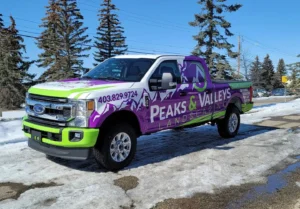
Vehicle wraps create mobile reach. They turn a service vehicle, delivery vehicle, or company fleet into branding that moves through different roads, neighbourhoods, job sites, and parking areas. This makes them useful when the business serves customers across multiple areas instead of relying on one storefront.
The choice is not only about which option gets seen more. It is about whether the audience is likely to become a customer. A storefront graphic reaches people already near the business. A vehicle wrap reaches people throughout the areas where the company operates. Both can generate leads when visibility aligns with how customers typically find the service.
When Window Graphics Generate More Leads
Window graphics generate more leads when the business already has a location that customers can visit or recognize. They work best when the storefront sits in a place where people slow down, walk past, park nearby, or actively look for businesses in the area.
They also support businesses that need to explain what they offer quickly. A window graphic can show the business name, service category, hours, promotions, privacy messaging, or a clear call to action before the customer enters.
However, a storefront alone does not guarantee results. Businesses located in low-visibility areas or destinations that customers rarely pass may generate fewer leads from window graphics than businesses positioned along active customer routes.
High Foot Traffic Storefronts
High foot traffic refers to a consistent volume of pedestrians moving past a business location. This differs from vehicle traffic because pedestrians typically have more time to notice, read, and remember storefront messaging.
Retail stores, salons, clinics, restaurants, fitness studios, and showrooms often benefit when people pass the storefront during daily routines. The quality of traffic matters more than the total number of people. A busy street may not produce strong leads if most viewers are driving too fast to read the message.
A slower sidewalk, parking lot, plaza, or entrance area can produce better local awareness because people have more time to process the graphic. For appointment-based businesses, foot traffic may contribute more to brand awareness than immediate walk-in leads, but repeated exposure can still influence future enquiries.
Localized Brand Reinforcement
Window graphics reinforce a business within its immediate service area. They help customers connect the brand to a specific location, especially when the storefront sits in a plaza or commercial strip with competing signs.
Brand reinforcement occurs when people repeatedly see the same business while visiting, working, shopping, or commuting through the area. That familiarity can influence future online searches, phone calls, and store visits.
This approach is often more valuable when most customers come from a relatively small geographic area. Businesses that rely heavily on nearby customers may benefit more from concentrated local visibility than broader exposure across multiple communities.
When Vehicle Wraps Outperform Window Graphics
Vehicle wraps outperform window graphics when the business needs visibility beyond one fixed location. They are better suited for companies that travel to customers, work at job sites, deliver products, or operate across several neighbourhoods.
A wrapped vehicle can reach people during service calls, commutes, parking, deliveries, and local routes. This gives the business exposure in places where storefront graphics cannot appear.
Results depend on how often the vehicle is visible. A vehicle that regularly travels through service areas and parks in public view typically creates more opportunities for exposure than one that spends most of its time at a yard, warehouse, or private facility.
Service-Based Businesses
Service-based businesses often get more value from vehicle wraps because customers do not need to visit a storefront to buy. Trades, cleaning companies, landscaping businesses, mobile repair services, delivery companies, and contractors can use vehicle wraps to show who is working nearby.
The lead quality improves when the wrap appears in the same setting where the service is needed. For example, a branded vehicle parked outside a home, building, or job site gives nearby viewers evidence that the company actively serves that area.
This local relevance can influence buying decisions because customers often prefer providers who regularly work within their neighbourhood or service area.
Businesses that maintain both a storefront and field operations may benefit from using window graphics and vehicle wraps together because each reaches customers at different stages of awareness.
Multi-Area Coverage and Impressions
Vehicle wraps create impressions across multiple areas, not only around one address. An impression refers to a potential viewing of the vehicle by a person, regardless of whether that person takes action.
This helps businesses that want awareness in several communities, commercial districts, or service zones. However, impressions generally have greater value inside active service areas than locations where the company does not operate.
More impressions do not automatically mean better leads. A wrap needs simple messaging, readable contact details, and a clear service category. If the design is too crowded, people may see the vehicle without understanding what the business offers.
Lead Quality vs Lead Volume: What Actually Matters
Lead volume measures how many people respond. Lead quality measures how likely those people are to become customers. Common indicators include service fit, location fit, buying intent, and conversion potential.
A channel that creates fewer but more relevant inquiries can outperform a channel that creates broad awareness without clear buying intent.
Window graphics can produce high-quality leads when viewers are already near the business and can act immediately. Vehicle wraps can produce high-quality leads when viewers see the business operating in their area and understand the service quickly.
The better option depends on the customer path. If customers usually choose the business after seeing the location, window graphics matter more. If customers usually call because they need service at their home, site, or business, vehicle wraps often create more valuable opportunities.
Neither channel consistently produces higher lead quality or lead volume across every industry. Market conditions, competition, service area size, and design execution all influence the outcome.
Visibility Factors That Change the Outcome
Visibility depends on where the graphic appears, how long people can view it, and how quickly they can understand the message. A strong channel can underperform if the viewer cannot read the design or connect it to a clear action.
Location, audience exposure, and design quality generally have a greater impact on results than the graphic format itself. Poor placement or unclear messaging can reduce performance regardless of whether the business chooses window graphics or vehicle wraps. The main factors are viewer speed, distance, message length, contrast, placement, and surrounding visual competition.
Location, Traffic Type, and Dwell Time
Dwell time refers to the amount of time a viewer has to notice and process a message.
Window graphics benefit from longer dwell times. People walking past, waiting in a parking lot, standing near an entrance, or sitting in slow traffic have more time to read details.
Vehicle wraps depend more on fast recognition. Drivers and pedestrians may only see the vehicle for a few seconds. The design needs to communicate the business name, service type, and contact path quickly.
A storefront on a quiet side street may need stronger design or supporting signage to create leads. A wrapped vehicle parked regularly at visible job sites, commercial properties, or public locations can sometimes generate exposure similar to a fixed storefront because the audience sees the branding repeatedly.
Design Clarity and Readability
Design clarity affects whether visibility becomes a lead. Large text, strong contrast, simple service wording, and clear contact information improve recognition from greater distances and shorter viewing times.
Window graphics can carry more detail because viewers may be close to the glass. Vehicle wraps need tighter messaging because the audience may view them from farther away or while moving.
A frequent industry mistake is treating the graphic like a brochure. The design should make the business easy to identify first, then support the next action.
Choosing Based on Your Business Model
The best choice depends on how the business gets customers and where customers make decisions.
- Retail businesses: Window graphics usually matter more because the storefront influences walk-ins, local recognition, and purchase decisions near the location.
- Trades: Vehicle wraps usually provide stronger lead value because the vehicle appears where the work happens and reaches multiple service areas.
- Mobile services: Vehicle wraps are often the better first choice because the business does not rely on a fixed customer-facing location.
- Office-based businesses: Window graphics may help with credibility and wayfinding, but vehicle wraps can be stronger when employees regularly visit clients or job sites.
If budget allows only one option, businesses generally benefit most from investing in the channel that aligns with how customers discover and contact them. Businesses that depend on a storefront typically gain more value from window graphics. Businesses that travel to customers typically gain more value from vehicle wraps.
Some businesses benefit from both. Window graphics build recognition at the physical location, while vehicle wraps extend that recognition into the surrounding market. The two formats often complement each other because they create visibility in different environments rather than competing for the same audience. Ingraph can help determine whether storefront visibility, mobile reach, or a combined approach aligns with how customers find and choose the business.